



































UK vape ban 6 months later: Has it worked?
|
|
Time to read 4 min
Easter Shipping Update No collections on Good Friday or Easter Monday. For the best chance that your delivery arrives before the weekend, please place your orders by 3pm Wednesday latest using a Next Day service.
Our Vaper Level system makes it easier for you to find the right vape products for you. Each product page is tagged with a recommended experience level which is colour coded and easily recognisable. View out full guide to find out what level you are!
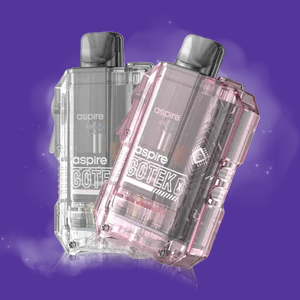
Absolute beginners looking for a simple device to make the switch from smoking.
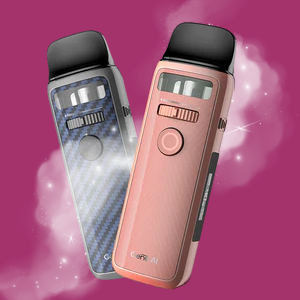
Moderate experience with vaping, confidence: changing coils and requiring adjustable settings.

Experienced and knowledgeable vapers needing advanced features or rebuildables.









|
|
Time to read 4 min
Six months after the UK disposable vape ban, many people are asking a simple question: has the vape ban worked? In this 2025 update, we look at the environmental impact, black market growth, youth vaping rates, and whether you can still vape legally in the UK.
Here’s the uncomfortable truth: while disposables have gone, batteries haven’t. Lithium-ion cells are still being discarded incorrectly, often tossed into household waste or into the street. BBC News reported on December 1st 2025 that these batteries are causing fires when crushed in bin lorries. The Independent went further, noting that disposable vape batteries are still responsible for “a fire a day” across the UK.
If you thought the ban would wipe disposables off the map entirely, think again. Herts Advertiser revealed that Hertfordshire Trading Standards seized more than 28,000 illegal vapes in 2025; this shows just how quickly the black market has stepped in. BBC News confirms that enforcement teams are receiving tips of illegal sales daily, with illegal imports still flooding into the country.
The irony is clear: black market vapes are often worse for both health and the environment. They can contain higher nicotine levels, harmful chemicals, and poorly made batteries that are even more likely to end up discarded improperly. In short, the ban hasn’t killed disposables; it has simply pushed them underground.
Here’s the heart of the matter. Even with disposables banned, battery waste remains a major hazard. Councils continue to warn about lithium-ion batteries being thrown into household bins, where they can ignite fires. BBC News reported that incidents linked to vape batteries remain stubbornly high, despite the ban.
Reusable vapes may be better for the environment; but they still rely on batteries, and most users don’t recycle them properly. Without a nationwide education campaign or better recycling infrastructure, the problem won’t go away.
Not significantly. While disposable use among 16–24-year-olds has dropped, many have simply switched to refillable devices. Youth vaping overall has not declined, and some councils warn it continues to rise. The ban was meant to protect young people; six months later, the evidence suggests it hasn’t achieved that goal.
Recent data from ASH (Action on Smoking and Health) shows that regular vaping among 11–17-year-olds has increased compared to previous years. The report highlights that while most young people still perceive vaping as less harmful than smoking, a growing number are experimenting with e-cigarettes. This suggests that the ban on disposables has not eliminated youth uptake; instead, it has shifted usage patterns towards other devices.
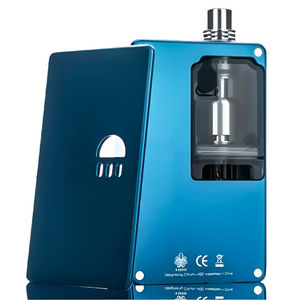
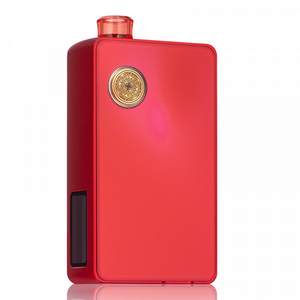
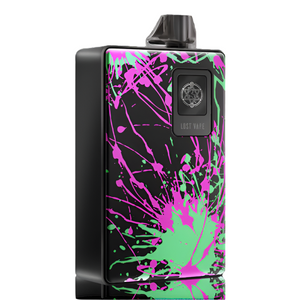
Yes. The ban only applies to disposable vapes. Reusable and refillable devices are still legal. In fact, the government hopes users will switch to these, as they produce less waste. But remember: batteries must be recycled properly. Tossing them in the bin isn’t just careless; it’s dangerous.
Six months on, the UK vape ban 6 months later feels like a half-win. Disposables have disappeared, but only from legitimate vape shops, the black market is thriving, and battery waste continues to smoulder; sometimes literally.
If the government wants the ban to truly succeed, it must crack down harder on illegal imports and invest in public education about battery recycling. Otherwise, the cycle of good intentions undone by poor execution will continue.
Yes. The UK only banned disposable vapes, not vaping itself. Refillable, reusable and pod-based kits remain fully legal, and most adult vapers have switched to these devices since the ban.
The main reasons were environmental waste, lithium-ion battery fires, and youth vaping rates. Disposables were seen as too damaging to landfill systems, fire safety, and under-age accessibility.
Not significantly. While disposables have disappeared from legal retailers, battery waste and lithium fires remain high, and councils still report problems with batteries being thrown into household bins.
Yes. Six months on, the black market for vapes has grown. Trading Standards teams are seizing thousands of illegal devices every month, many of which contain higher nicotine levels and poorer-quality batteries.
No. Although fewer teens use disposables, many have simply switched to refillable pod devices. ASH data shows that overall youth vaping rates have not fallen and may be increasing in some regions.
Yes. Nicotine e-liquid remains fully legal. The only ban relates to disposable devices; refillable e-liquids, shortfills and pods remain available.
Do not throw them in household waste. Take lithium-ion batteries to a local recycling point, supermarket battery bin, or council facility. Incorrect disposal is a major cause of bin lorry fires.
Yes - reusable systems drastically reduce plastic waste. However, they still rely on lithium batteries, so recycling remains essential for reducing environmental impact.
Possibly. The government has signalled interest in further restrictions on flavours, packaging and marketing. Updates are expected as the impact of the disposable ban continues to be monitored.
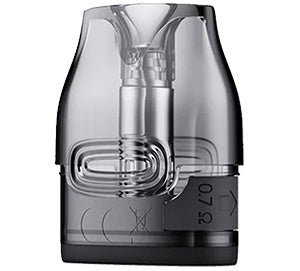
Refillable pod kits (e.g., Xros, Xlim) are the most popular alternative because they replicate the simplicity of disposables while being cheaper and far more sustainable.


